

Understanding the Need for Health Precautions
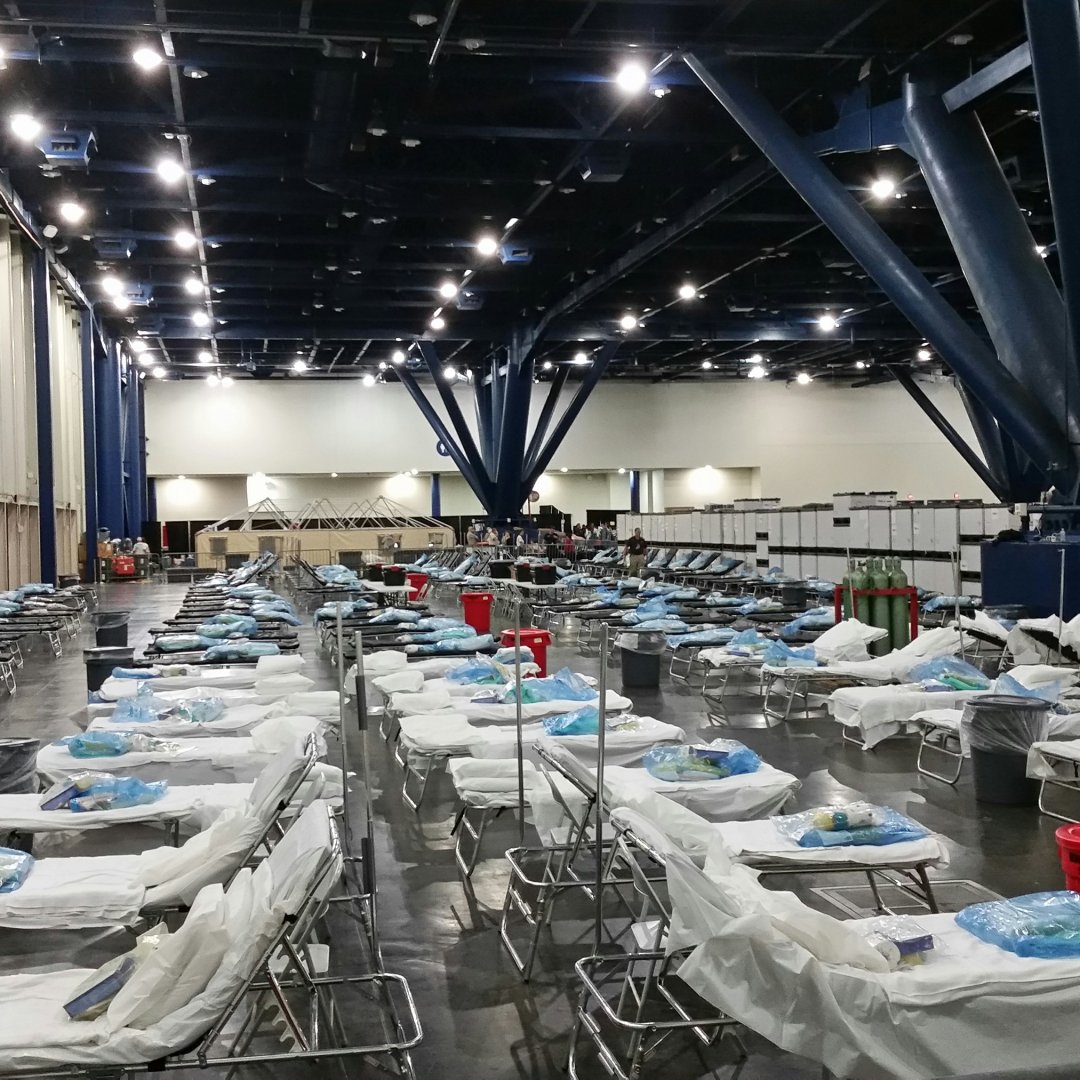
When individuals are displaced from their homes, often due to natural disasters or conflicts, they find themselves in temporary shelters. These accommodations aim to provide immediate relief, but they can also pose health risks due to overcrowding, limited sanitation, and the potential for infectious diseases. It’s crucial for displaced travelers to be aware of health precautions to ensure their well-being during these challenging times.
1. Maintain Personal Hygiene
Personal hygiene is vital in preventing the spread of infectious diseases, especially in crowded environments. Here are some key practices:
- Handwashing: Wash hands frequently with soap and water for at least 20 seconds, especially after using the restroom, before eating, or after any contact with potentially contaminated surfaces.
- Sanitizers: When soap and water are unavailable, use an alcohol-based hand sanitizer with at least 60% alcohol.
- Personal Items: Keep your personal items, such as toiletries and bedding, separated and ensure they are regularly cleaned.
Pro Tip: Carry a small travel hygiene kit that includes hand sanitizer, wet wipes, and a toothbrush with toothpaste to ensure you can maintain hygiene even in limited facilities.
2. Stay Hydrated and Eat Healthy
Proper nutrition and hydration are essential for maintaining health. Access to safe food and clean water might be limited, so here are some tips:
- Clean Drinking Water: When possible, drink bottled water or use water purification methods to ensure safety.
- Nutritious Meals: Opt for healthy food options. If available, choose fruits, vegetables, and whole grains to nourish your body and support your immune system.
- Avoid Street Foods: While street food might be tempting, it can be a source of foodborne illnesses. Stick to provided meals or pre-packaged foods when possible.
Pro Tip: Consult with shelter management about food supplies and nutrition programs available to residents. Some shelters may have partnerships with local food banks.
3. Watch for Signs of Illness
In a shared living environment, illness can spread quickly. Being vigilant about your health can help catch illnesses early. Watch for symptoms like:
- Fever or chills
- Coughing or difficulty breathing
- Stomach pain or diarrhea
- Fatigue and weakness
If you notice any symptoms, seek medical attention immediately. Many shelters have access to basic healthcare services or can direct you to local clinics.
4. Ensure Vaccinations and Medical Care
Vacines are essential in preventing the spread of diseases. Ensure that you and your family are up to date on vaccinations, especially for:
- Measles
- Influenza
- Tetanus
Seek advice from healthcare professionals regarding necessary immunizations if you are displaced for an extended period.
Pro Tip: Keep a copy of vaccination records for you and your family. This can help healthcare professionals provide you with the best care during your stay.
5. Mental Health and Well-being
Displacement can lead to stress and anxiety. It’s vital to address mental health as part of your overall well-being. Consider these strategies:
- Stay Connected: Maintain connections with family and friends through calls or messages. Sharing your feelings can reduce stress.
- Seek Support: Look for mental health resources available in shelters or nearby health centers.
- Participate in Activities: Engage in community activities offered in shelters to promote social interaction and distract from stressors.
6. Practice Social Distancing Where Possible
In light of contagious diseases, maintaining distance between individuals can minimize transmission risks:
- Try to keep a distance from others, particularly if someone is showing symptoms of illness.
- Utilize clear areas or outdoor spaces if available to limit overcrowding in communal spaces.
7. Communicate with Shelter Management
Regular communication with shelter management is vital for staying informed about health protocols and resources available:
- Report any health concerns or symptoms observed in your shelter to management.
- Inquire about health services, vaccination clinics, or support systems available through the shelter.
Conclusion
While being displaced from your home can be a profound challenge, taking proactive health precautions can help protect you and your loved ones in temporary shelters. Focus on maintaining personal hygiene, staying hydrated and nourished, monitoring your health, and seeking support from healthcare professionals when needed. For additional resources or to compare accommodations and services, platforms like FlyDoha can assist in finding suitable options that meet your needs while displaced.


