

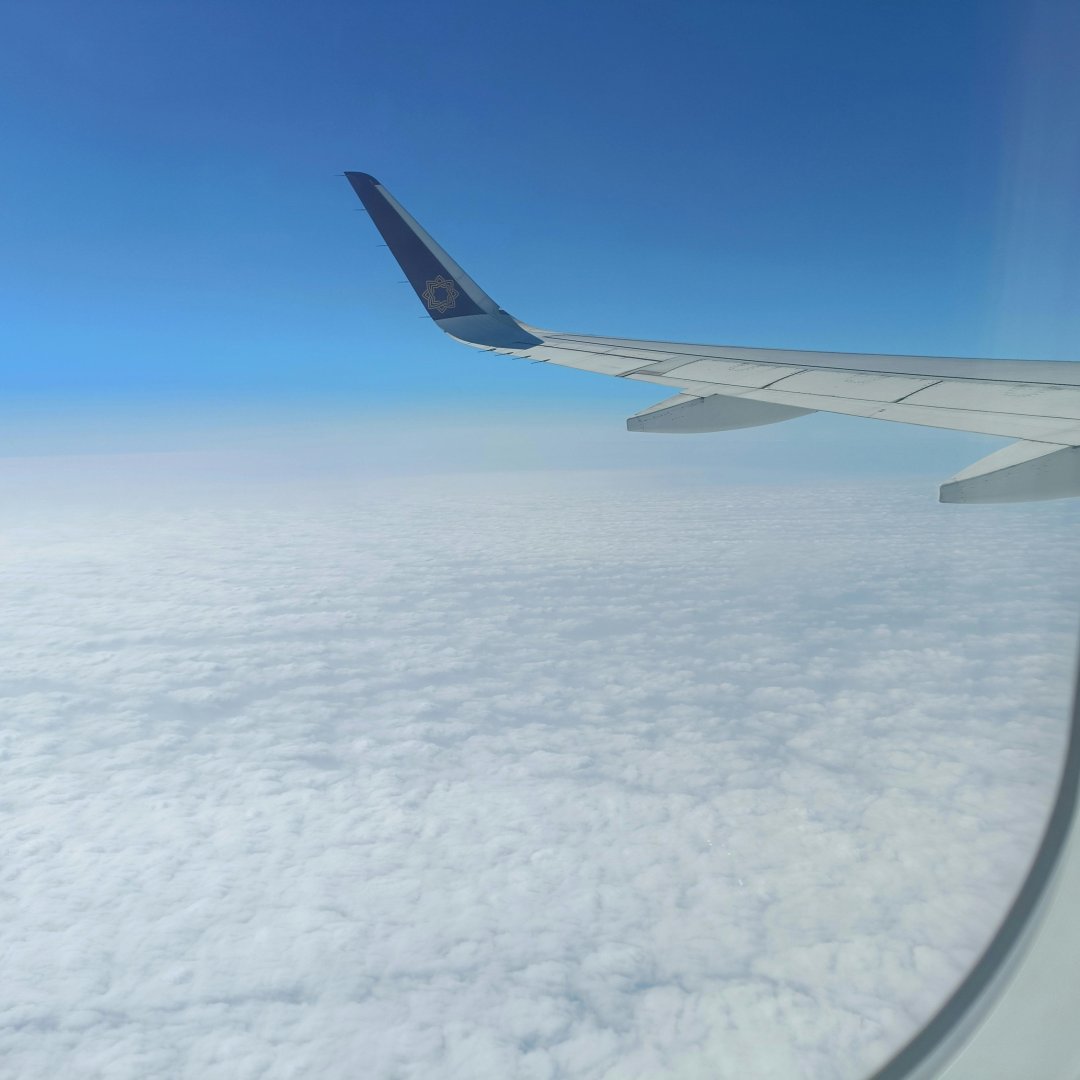
Understanding Flight Rerouting Around Conflict Zones
In today's globalized world, air travel connects people across continents faster than ever before. However, geopolitical tensions can severely disrupt flight routes, prompting airlines to reroute flights around conflict zones. This practice not only ensures passenger safety but also incurs a range of hidden costs that can impact both airlines and travelers.
The Necessity of Rerouting
When conflicts arise, airlines must prioritize the safety of their passengers and crew. A flight path that was once routine can become treacherous within hours. Political unrest, armed conflicts, or even threats of terrorism can lead to airspace restrictions imposed by national or international authorities. To comply with these rules and to protect their passengers, airlines must often modify their flight plans.
- Safety First: The primary reason for rerouting is to ensure the safety of everyone on board.
- Regulatory Compliance: Airlines must adhere to aviation regulations set by aviation authorities like the FAA or EASA.
- Responding to Customer Demand: In some situations, travelers may choose to avoid regions with conflict entirely, affecting demand for certain routes.
The Hidden Costs of Rerouting Flights
While passenger safety is paramount, rerouting flights around conflict zones carries significant financial implications:
1. Increased Fuel Costs
Longer flight paths mean additional flight time, which translates to higher fuel consumption. Airlines must account for these increased operational costs:
- Flights may have to fly at altitudes that vary depending on air traffic control regulations.
- Aircraft may need to carry extra fuel to cover the longer distance, adding weight that further increases fuel efficiency costs.
Pro Tip: Use FlyDoha to check for airlines offering the most efficient routes, ensuring you get the best value without compromising safety.
2. Schedule Disruptions
Rerouting can lead to significant schedule disruptions, impacting not just the flight in question but also connecting flights:
- Passengers may miss their connections, leading to additional costs in terms of accommodations and rebooking fees.
- Airlines may incur costs related to compensating customers in accordance with regulations.
3. Maintenance and Crew Costs
Rerouting can lead to logistical challenges related to crew management and aircraft maintenance:
- Airlines may have to put additional crew on standby to manage rescheduled flights.
- Aircraft may require more frequent maintenance checks due to longer operational hours and varied conditions.
4. Increased Insurance Premiums
Flying over conflict zones or regions with perceived threats can increase insurance costs:
- Insurers regard certain regions as higher risk, leading to elevated premiums.
- Airlines must often pass these costs onto passengers in the form of higher ticket prices.
5. Long-term Strategy Adjustment
The need for rerouting often leads to a reevaluation of long-term strategies by airlines:
- Airlines may have to invest in updated navigation technologies or training for pilots.
- Long-standing routes may have to be abandoned, representing a loss of brand loyalty and customer bases.
Impact on Passengers
Travelers are often the first to feel the implications of flight rerouting. Apart from the obvious safety concerns, the following factors can affect the travel experience:
- Unpredictable Travel Times: Longer flight durations can lead to increased fatigue and delays.
- Potential for Higher Airfares: As airlines adjust to cover added costs, passengers may notice increased ticket rates.
- Inconvenience: Adjusting to last-minute changes can be frustrating for travelers, especially those with tight itineraries.
Pro Tip: Always check flight status updates and plan your journey around potential complications. Platforms like FlyDoha provide real-time flight information and updates, ensuring you stay informed.
Future Considerations
As geopolitical situations fluctuate, airlines will continue to face challenges in navigating conflict zones. Here are some considerations moving forward:
- Technological Advancements: Airlines may invest in advanced navigation systems that help avoid restricted airspace more effectively.
- Partnerships: Collaborating with local authorities and security agencies can provide airlines with better intelligence and safety assessments.
- Passenger Awareness: Increased awareness about travel advisories and flight safety can help travelers make better-informed decisions.
Conclusion
Rerouting flights around conflict zones is a complex and necessary practice for airlines heavily influenced by geopolitical factors. While the primary aim is to safeguard passengers, the hidden costs of rerouting can affect both airlines and travelers significantly. By understanding these dynamics, travelers can equip themselves with the knowledge needed for a smoother journey. To optimize your next travel experience, be sure to compare flight options through FlyDoha, gaining insights into cost-effective airlines and routes.


