

Understanding the Risks in Crisis-Affected Areas
Traveling through crisis-affected regions can be daunting. Whether it’s due to natural disasters, political upheaval, or other emergencies, ensuring your safety while using ground transportation is paramount. In this article, we’ll discuss practical safety tips to enhance your travel experience in such areas, helping you navigate challenges effectively.
1. Stay Informed About the Situation
Before you set out, gather up-to-date information regarding the crisis area. Local news sources, government travel advisories, and social media can offer real-time insights.
Pro Tip: Download travel apps or subscribe to alerts from credible organizations (like the Red Cross or your embassy) for continuous updates.
2. Use Reliable Transportation Services
When it comes to transportation, prioritize established companies or services with good reputations. Whether it's taxis, shuttles, or ride-sharing services, check reviews and ask locals for recommendations when possible.
- Pre-book transportation: If possible, pre-arrange airport pick-ups or major transfers through trusted providers.
- Identify transportation hubs: Opt for recognized stations or terminals to minimize risks.
3. Understand Local Travel Regulations
It's essential to adapt to local laws and regulations regarding transportation. This can include understanding road conditions, speed limits, and areas to avoid altogether.
Pro Tip: Research local traffic laws and driving customs, especially if you’re considering renting a vehicle.
4. Always Trust Your Instincts
In crisis-affected areas, your intuition is your best ally. If a situation feels off or you sense danger, do not hesitate to leave the area or find alternative transportation.
5. Prioritize Personal Safety
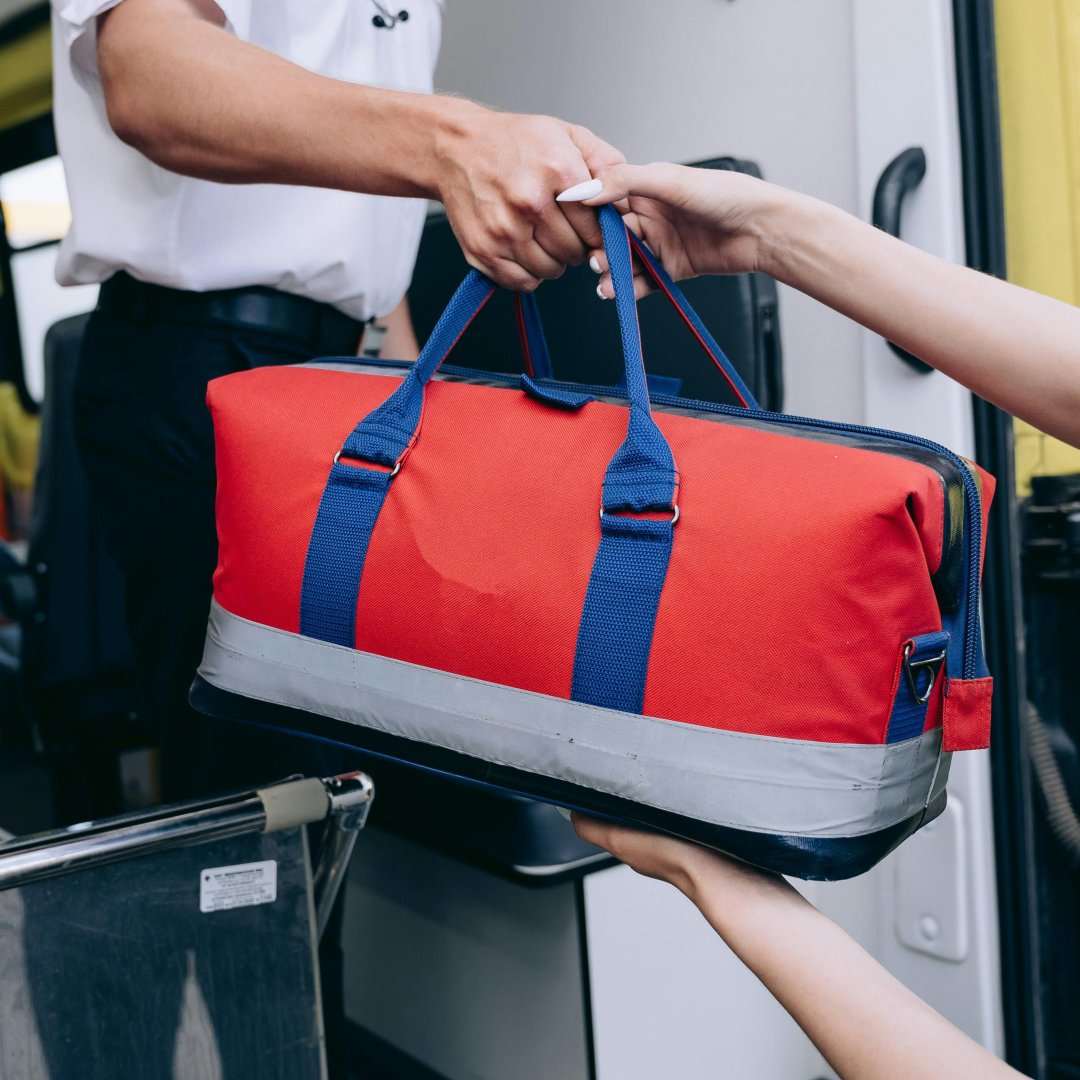
Keep essential safety gear handy—this can include a first-aid kit, whistle, flashlight, and emergency contact information. Always inform someone about your travel itinerary.
- Stay connected: Ensure your phone is charged, and carry a portable charger.
- Know emergency numbers: Familiarize yourself with local emergency services and how to contact them.
6. Avoid Unnecessary Risks
While it can be tempting to explore a crisis zone or engage with locals, always weigh the risks involved. Stick to safer, well-populated routes when moving around.
7. Be Aware of Your Surroundings
Constant vigilance is key. Pay attention to your surroundings, and be cautious of changes in the behavior of those around you. Avoid distractions like looking down at your phone while walking.
8. Use Technology Wisely
Leverage technology to enhance your safety:
- Maps: Use GPS services to track your route in real-time.
- Communication: Stay in touch with family or friends and share your location when possible.
- Flight Alerts: When using platforms like FlyDoha, ensure you're updated on flight schedules and transportation options to/from the airport.
9. Carry an Emergency Contact List
Before heading into any crisis-affected area, compile a list of essential contacts, including your embassy, local hospitals, and relatives or friends. This information can be critical in emergencies.
10. Respect Local Cultures and Norms
Navigating transportation in crisis situations often means respecting local customs and norms. This helps you to build rapport with locals and facilitates smoother interactions regarding transport.
Pro Tip: A simple “hello” or “thank you” in the local language can open doors and enhance your safety.
Conclusion
Traveling through crisis-affected areas highlights the importance of being prepared and vigilant. By following these tips, you can enhance your safety while using ground transportation in these challenging environments. Remember that relying on trusted platforms like FlyDoha can help you find reliable transportation options effortlessly. Keep informed, stay aware, and prioritize your safety above all.


