

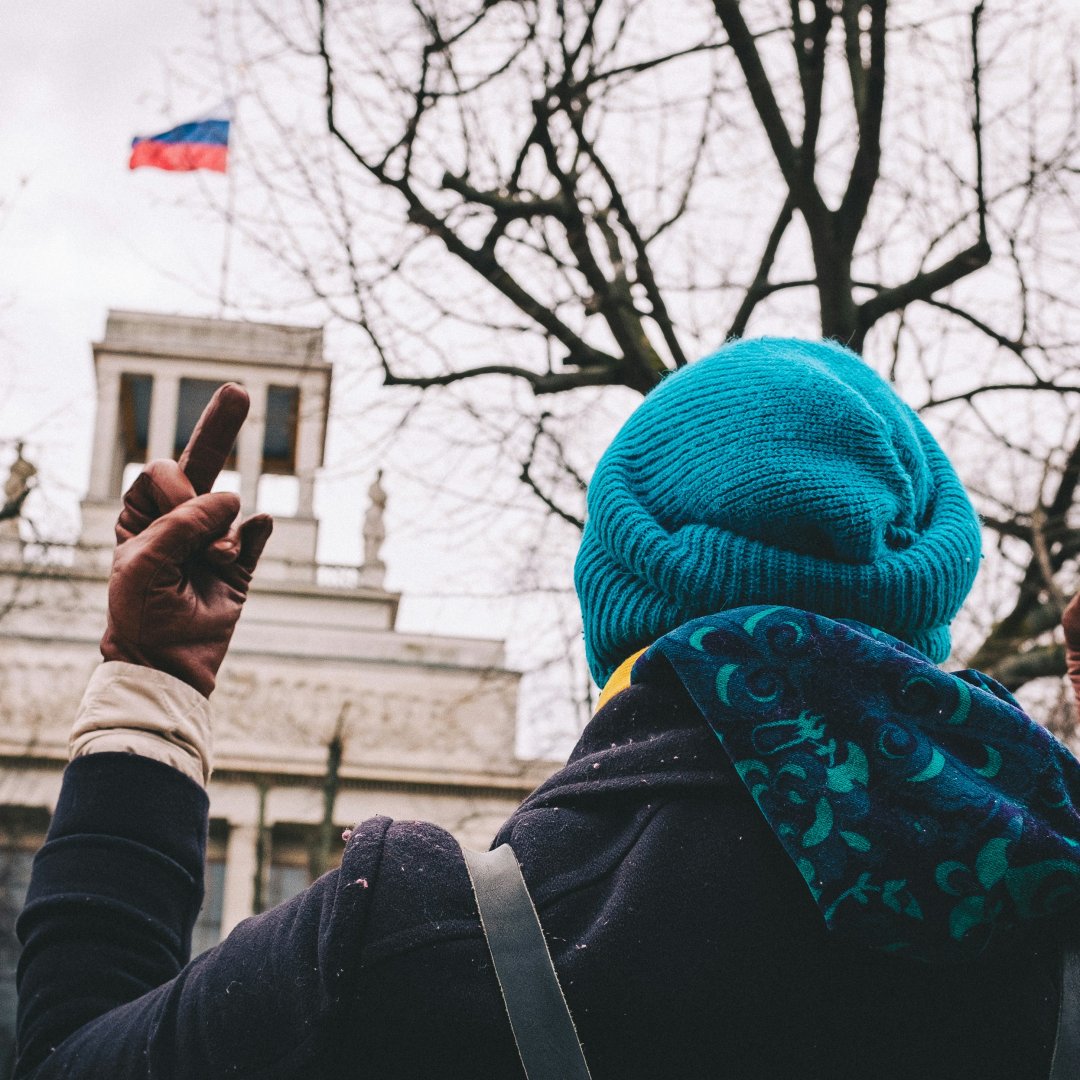
Understanding Geopolitical Emergencies
As a solo traveler, the allure of exploring new cultures and environments often comes with its own set of safety concerns. Geopolitical emergencies can arise unexpectedly, presenting challenges that require quick thinking and strategic planning. From political unrest to natural disasters, being prepared is key to ensuring your safety while traveling alone.
Be Informed Before You Travel
Knowledge is power. Before embarking on your journey, research your destination thoroughly. Understanding the political landscape, cultural norms, and current events can equip you to navigate potential risks effectively.
Useful Tools and Resources:
- Travel Advisory Services: Check your government’s travel advisory website for the latest updates and warnings.
- Local News Outlets: Follow local news to stay updated on any developing situations.
- Social Media: Platforms like Twitter can provide real-time information, but be cautious about false information.
Pro Tip: Use FlyDoha to compare flights and accommodations with flexible cancellation policies, ensuring support even if plans change unexpectedly.
Creating an Emergency Plan
Having an emergency plan in place is crucial for any solo traveler, particularly in unstable regions. Outline clear steps for various scenarios, which could include political unrest, natural disasters, or health emergencies.
Key Components of Your Emergency Plan:
- Safe Points: Identify safe locations such as embassies, police stations, and hospitals.
- Communication: Ensure you have access to communication devices and know how to reach trusted contacts.
- Local Authorities: Familiarize yourself with the local police and emergency services.
Communication Strategies
Keeping communication lines open is vital during a crisis. Ensure you can easily contact friends, family, or authorities when needed.
Best Communication Practices:
- Mobile Connectivity: Purchase a local SIM card or international plan for your phone.
- Emergency Contacts: Store contact information for local emergency services and your country's embassy.
- Regular Check-Ins: Schedule regular check-ins with friends or family to update them on your whereabouts.
Pro Tip: Save important numbers in your phone and on a printed card in your wallet. Accessibility can be crucial, especially if your phone battery dies.
Maintaining Situational Awareness
As a solo traveler, being aware of your surroundings is essential. Stay alert and trust your instincts regarding safety.
Tips for Staying Aware:
- Observe the Environment: Pay attention to crowd behavior and local customs to spot anything unusual.
- Limit Distractions: Avoid using your phone in high-traffic areas.
- Travel Light: Carry only what you need to reduce vulnerability.
Choosing Accommodations Wisely
Your choice of accommodation can significantly impact your safety while traveling alone. Opt for places known for their security and good reputation.
Safe Accommodation Tips:
- Research: Look for reviews on websites like FlyDoha for insights regarding safety and security.
- Location: Choose accommodations in safer neighborhoods, preferably close to local amenities.
- Hotel Safety Features: Look for hotels with secure entrance policies and in-room safes.
How to Handle Unforeseen Events
Even with careful planning, unexpected events can occur. Being prepared on how to react can make all the difference.
Steps to Take in a Crisis:
- Stay Calm: Panic can cloud your judgment; focus on assessing the situation logically.
- Follow Local Instructions: If an evacuation is ordered, follow government and local authorities’ instructions.
- Document Everything: Keep a record of events, as this can be useful for insurance claims or official reports.
Pro Tip: Carry a small emergency kit with basic supplies like water, snacks, a flashlight, and first-aid materials for minor issues.
Leveraging Technology for Safety
In today’s digital age, various technological tools can enhance your safety as a solo traveler.
Essential Apps for Travelers:
- Safety Apps: Download apps like “Circle of 6” for emergency contacts or “bSafe” for location tracking.
- Navigation Tools: Use GPS and mapping applications to stay oriented and avoid high-risk areas.
- Local Language Apps: Language translation apps can be invaluable for communication in emergencies.
Staying in Touch with the Community
Connect with fellow travelers or locals who can provide valuable advice and support. Online forums and travel blogs are great resources.
Where to Connect:
- Travel Communities: Platforms like Meetup or Couchsurfing can connect you with local hosts or fellow travelers.
- Social Media Groups: Engage with travel-oriented social media groups focused on your destination.
- On-the-Ground Contacts: Build relationships with hotel staff or local tour guides for insider knowledge.
Conclusion
Traveling solo during geopolitical emergencies requires preparation, vigilance, and the willingness to adapt. By researching your destination, devising an emergency plan, staying connected, and being aware of your surroundings, you can maintain your safety and enjoy your travels. Utilize resources like FlyDoha to enhance your travel experience and ensure support when needed. Embrace the adventure with a mindful approach to safety!


